WHAT IS THE MANDELA EFFECT?
Have you ever been absolutely certain about something — only to find out you were wrong, and that thousands of other people made the exact same mistake? That's the Mandela Effect.
The Origin
The term was coined by paranormal researcher Fiona Broome in 2009. She discovered that she — along with a surprisingly large number of people — clearly remembered Nelson Mandela dying in a South African prison in the 1980s. They recalled news coverage, a funeral, even a speech by his widow.
But none of that happened. Mandela was released from prison in 1990, became South Africa's first Black president, and lived until December 5, 2013.
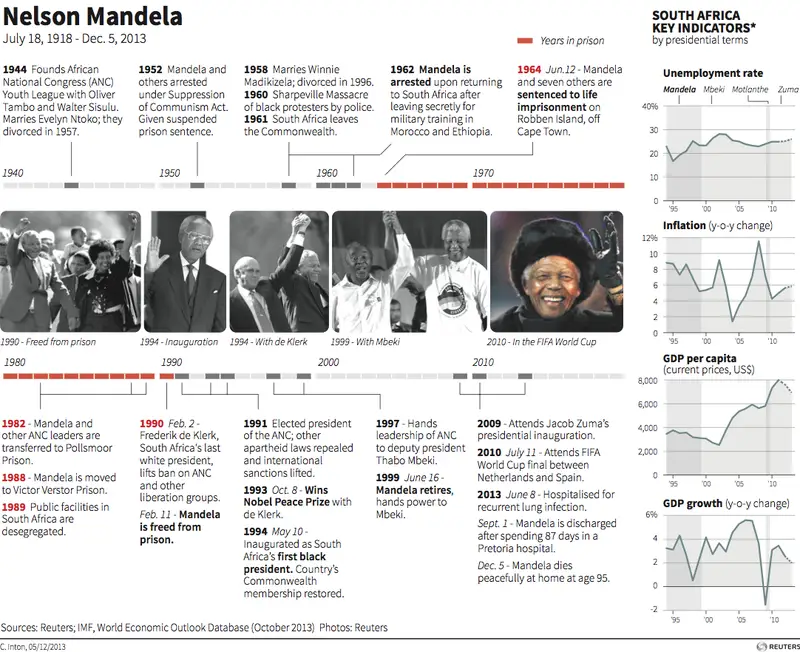
Source: Reuters / IMF
Famous Examples
The Mandela Effect goes far beyond one person. Here are some of the most well-known examples that have stumped millions:
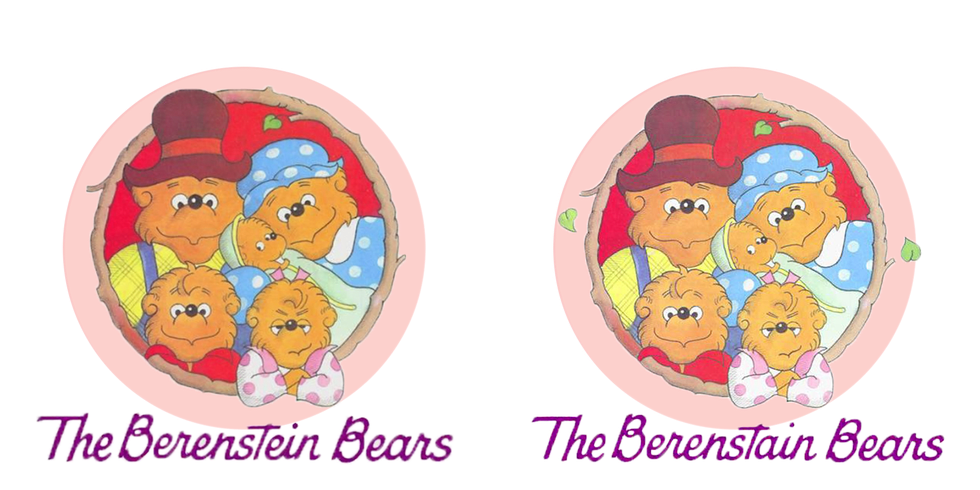
Image credit: NextGenCauses
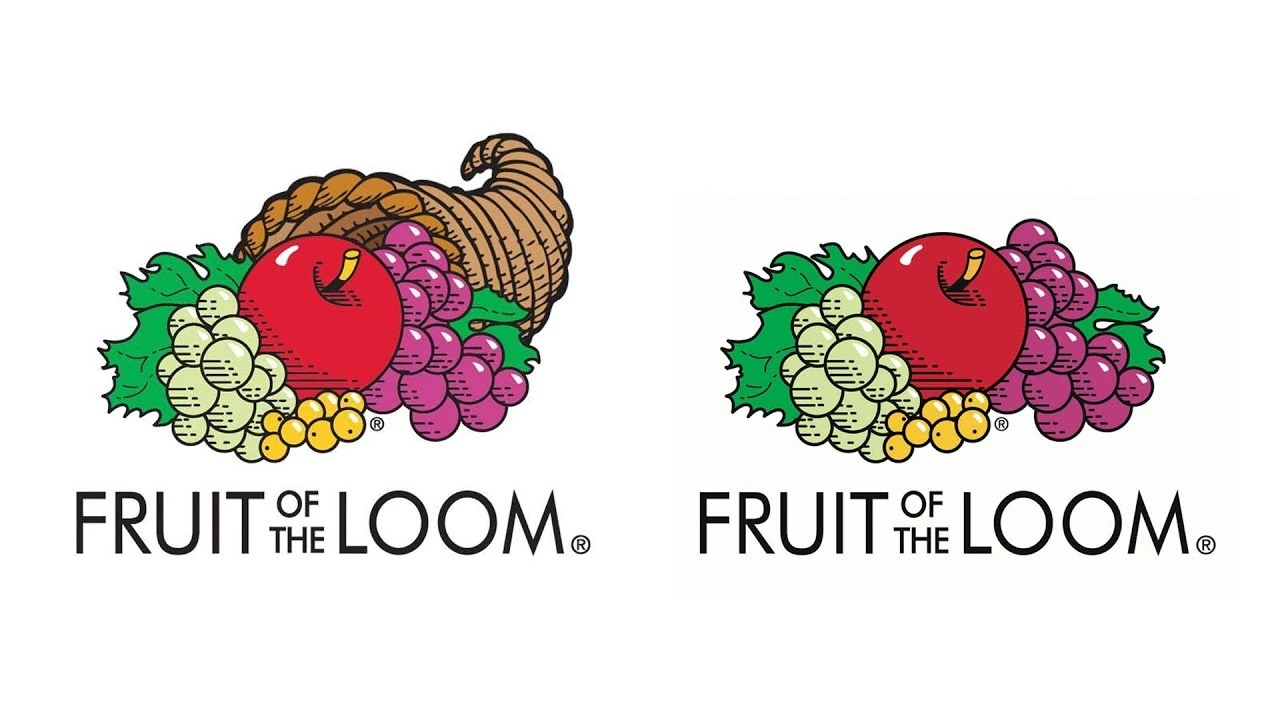
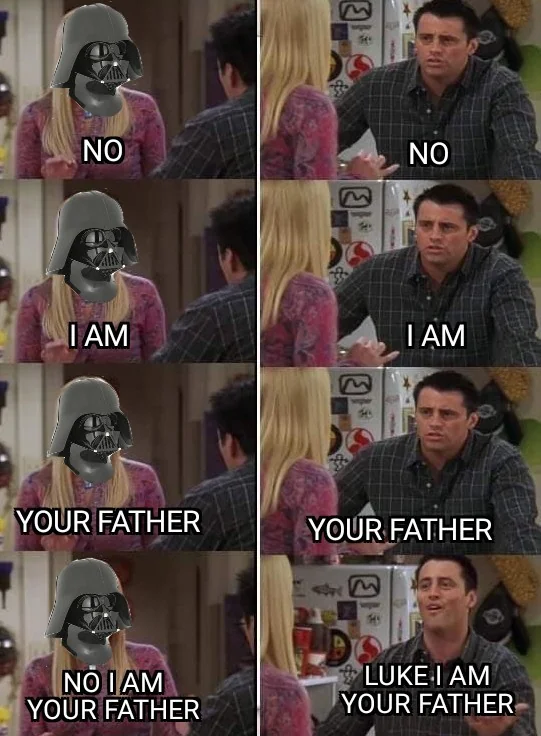
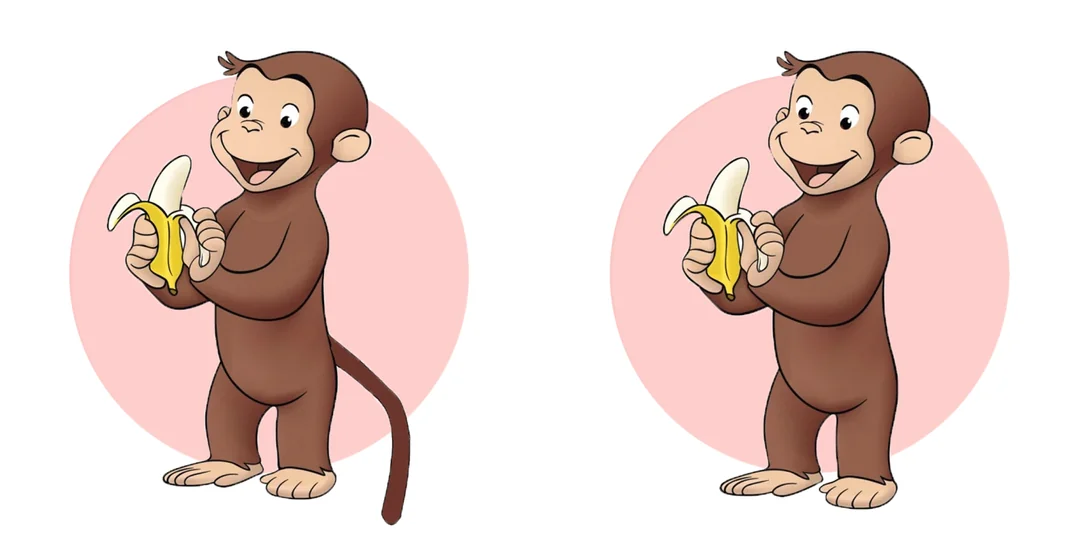
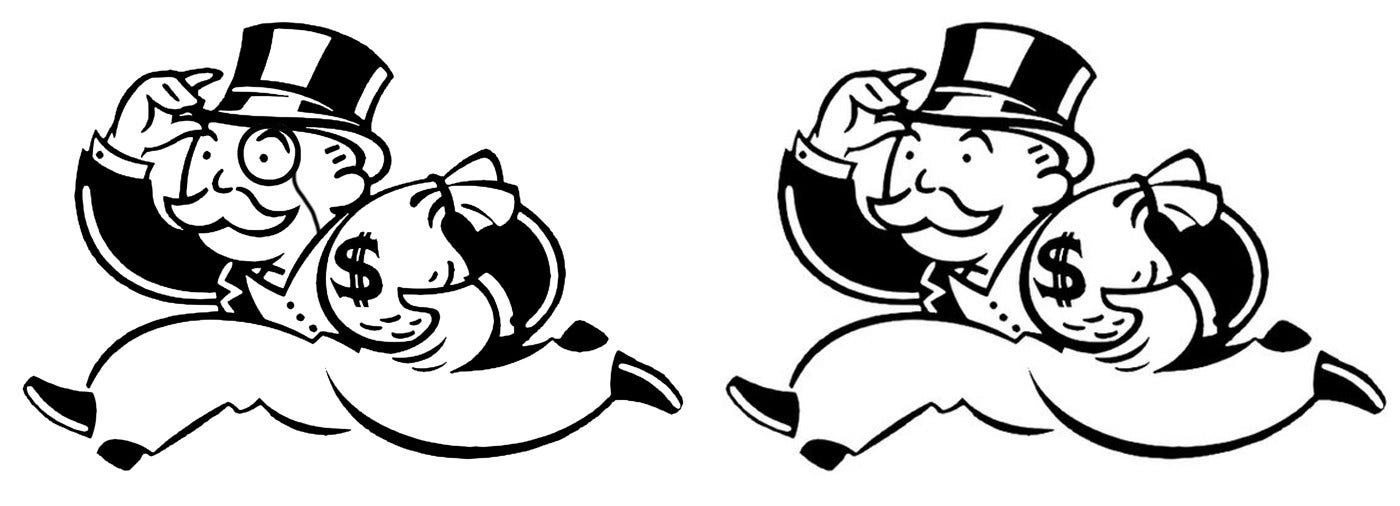
Top 20 Mandela Effects
Want to see even more examples? Watch this breakdown of the 20 most mind-bending Mandela Effects:
Video credit: WatchMojo.com
Why Does This Happen?
Scientists and psychologists have proposed several explanations for why so many people share the same false memories:
Confabulation
The brain doesn't record memories like a video camera. When there are gaps, it fills them in with plausible details — details that feel completely real but never happened.
Schema-Driven Errors
We remember things based on how we expect them to be, not how they actually are. If a rich cartoon character "should" have a monocle, our brain adds one.
Social Reinforcement
When other people confirm your false memory, it strengthens. The internet has supercharged this effect — millions can reinforce each other's misremembering in seconds.
Source Confusion
We mix up where we learned something. A parody, a meme, or a friend's retelling can replace the original memory entirely.
Alternative Theories
Not everyone is satisfied with the psychological explanations. Some more creative theories include:
- ►Parallel Universes — We've somehow "shifted" from one timeline to another, and our memories are from the original reality.
- ►Simulation Theory — If we live in a simulation, the "code" could be edited, leaving residual memories of the previous version.
- ►Time Travel — Changes made to the past ripple forward, but some people retain memories of the original events.
These are fun to think about — but there's no scientific evidence to support them. Yet.
Ready to Test Your Memory?
Take our quiz and find out your Mandela Effect score — or browse our full database of documented effects.
▌▌ PLAY ▌▌ — Reality is what you remember... or is it?